Work With Fairfield County’s Certified Elder Law Attorney
When you’re figuring out how to ensure your financial security and well-being as you age, it helps to work with a lawyer who can make a difficult process as straightforward as possible, so you can focus on what matters most.
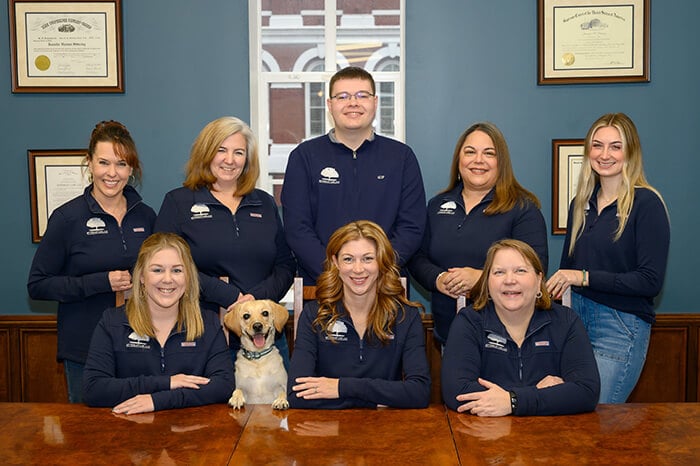
Our founding attorney, Jennifer H. Sitterley, has over 15 years of experience helping individuals and their families. She is the only attorney in Fairfield County with certifications in elder law from both the National Elder Law Foundation in Ohio and the Ohio State Bar Association. Together with our paralegals at Sitterley Law, LLC, we can help you create a plan tailored to your needs, situation and preferences.
Planning For Your Future, With Care
We provide guidance on the essential legal documents that can give you and your family peace of mind. These include:
- Wills and living wills: Our attorney will help you outline how your assets will be distributed and create a living will to make your health care wishes known.
- Powers of attorney: These documents allow you to legally appoint a trusted individual to act on your behalf, particularly when it comes to managing your finances and making medical decisions for you if you’re ever unable to do so.
- Trusts: We can help you create a trust to manage and secure assets, avoid probate and ensure financial stability for your family in the future. Our team has experience working with both revocable and irrevocable trusts.
While we help, and encourage, our clients to plan for their long-term care and asset protection well in advance of a potential health issue, we also work with families in time-sensitive situations. When a loved one has an immediate need for care and a plan needs to be put in place right away, we can help you explore your options and make informed decisions. We can also guide you through the process of administering an estate and settling a loved one’s affairs.
How To Get VA Benefits And Medicaid As A Senior In Ohio
VA Aid and Attendance is a pension benefit for eligible veterans and surviving spouses that provides extra monthly income to help pay for in-home, assisted living or nursing home care. A qualified elder law attorney can help structure assets so a veteran may qualify for VA benefits and Medicaid without the programs conflicting, helping ensure long-term care is financially sustainable. We often take several legal and financial steps to align eligibility rules.
- Review income and asset levels to determine Medicaid eligibility pathways
- Coordinate VA Aid and Attendance applications with Medicaid planning
- Use allowable spend-down strategies to meet Medicaid limits legally
- Protect exempt assets such as primary residence and personal property where possible
- Structure transfers to avoid penalties while maintaining benefit eligibility
This coordination helps families avoid gaps in coverage and preserves access to both programs.
Can The Nursing Home Or The State Of Ohio Take Your House?
Nursing homes do not directly take a person’s house for payment. However, if Medicaid covers long-term care costs, the state of Ohio may later seek reimbursement from the person’s estate through the Medicaid Estate Recovery Program (MERP) after death.
Working with Sitterley Law, LLC, allows families to legally protect the home and reduce or avoid estate recovery exposure through proactive planning. Several legal strategies may be used to preserve the family home from Medicaid recovery:
- Placing the home in a properly drafted irrevocable trust so it is no longer counted as a Medicaid asset while still allowing the family to control distribution according to legal terms
- Transferring ownership through a carefully structured deed, such as a Lady Bird or enhanced life estate deed, which may allow the senior to remain in the home during their lifetime
- Using Medicaid planning tools such as exempt transfers, caregiver agreements and spend down strategies that comply with state rules while protecting core assets from recovery
- Combining multiple planning strategies early to help ensure the home is not exposed to estate recovery claims after Medicaid benefits are used for long-term care
Early planning helps families in Ohio understand how Medicaid rules interact with estate recovery and can ensure that protective strategies are implemented before a crisis occurs. With proper legal guidance, seniors can receive the needed long-term care benefits while preserving their home for spouses, children or heirs. This avoids unnecessary loss of property to state reimbursement claims after death.
Frequently Asked Questions About Elder Law In Ohio
The following FAQs offer practical guidance so you can make steady, informed decisions as you navigate Ohio elder law issues.
What can an Ohio elder law attorney do for long-term care planning?
Attorneys help families navigate the legal side of long-term care through several key services, including:
- Drafting powers of attorney, health care directives and advance medical orders that protect your loved one’s wishes
- Structuring asset protection strategies that comply with Ohio’s Medicaid requirements, including the state’s strict five-year lookback period for asset transfers
- Establishing trusts designed to preserve family wealth while maintaining eligibility for government benefits
- Guiding families on spending down assets properly and understanding how Ohio values different property types during Medicaid applications
These steps help families act with confidence and keep the person’s finances secure. However, the state scrutinizes these applications closely. Even small errors in documentation can therefore result in benefit denials or penalties that delay critical care.
What is the difference between a guardianship and a conservatorship in Ohio?
A guardianship is used when an adult can no longer manage personal needs such as medical care, safety and daily decisions. The court appoints someone to act in the person’s best interests. A conservatorship works differently. It is voluntary and focuses only on financial decisions, and the adult must still understand the choice to request it. Both processes involve court oversight, which reflects how seriously Ohio treats the protection of vulnerable adults.
How does elder law help families make financial decisions for an incapacitated loved one?
When someone in Ohio becomes incapacitated, families cannot step in automatically. The law requires a legal authority to manage money, pay bills or handle property. This authority may come from a durable financial power of attorney signed before incapacity. If no document exists, the court may need to appoint a guardian of the estate. These steps help prevent misuse of money and ensure that the person’s assets are handled with care.
Get The Clarity You Need: Call Us Today
There is a lot of uncertainty when it comes to planning for the future. However, talking to the right legal resource can help you clarify your next steps. At Sitterley Law, LLC, we are ready to answer any questions or concerns you may have about long-term care, asset protection, estate administration and more.
We triage cases by time sensitivity, prioritizing urgent matters so we can provide you with the immediate attention you need. For nonurgent estate planning matters, we will schedule a meeting to ensure you get the dedicated time you deserve. Contact us today by calling our Fairfield county estate law office at 740-681-1765. You can also fill out our online form to schedule a consultation.