Demystifying Estate Planning In Fairfield County
Estate planning is the process of preparing for the transfer of your assets – such as your properties, finances and personal belongings – to your family and loved ones. It is a thoughtful process for preparing your family’s future, but it can also be a difficult and confusing one. Making deeply personal decisions like these can be hard enough without complex legal terms adding to the mix.
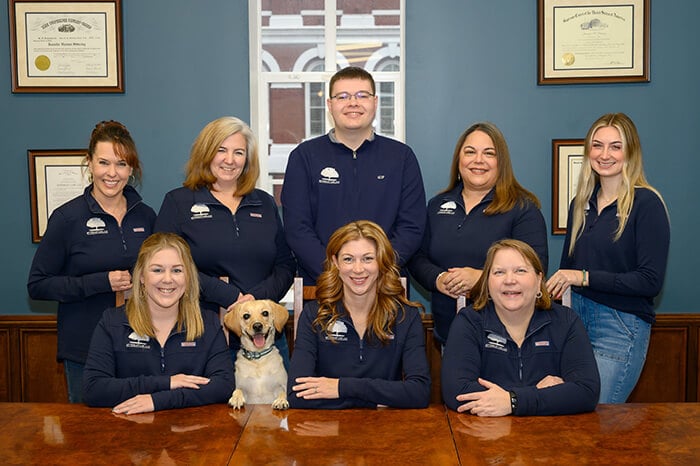
At Sitterley Law, LLC, we believe it doesn’t have to be. Our team is here to guide you through these important decisions with confidence and clarity, so you can feel secure in the future you are building for yourself and your loved ones.
An Estate Plan Tailored To Your Priorities
Every person deserves an estate plan that is as unique as the life and wealth they have built. As your legal counsel, we will take time to get a full understanding of your current situation, your assets and your specific goals for them. This may involve:
- Creating a will: A will is a legal document that outlines your final wishes, from where you want your assets to go to who you want to be the guardian of your children if they are minors. Without a will, Ohio law determines the division and distribution of your assets, which may not align with your actual wishes and preferences.
- Establishing a trust: A trust allows you to place assets in the care of a trusted individual or entity, called a trustee, who manages them for the benefit of your chosen loved ones. Trusts can help you avoid probate, protect your privacy and provide financial support for your family over time. Our team has experience with both revocable and irrevocable trusts, and can explain the key differences and benefits of each.
- Drafting powers of attorney: These documents let you legally appoint a person to make financial and health care decisions for you, should you become incapacitated or otherwise be in a state where you cannot decide for yourself. Having a power of attorney in place ensures that someone you trust is prepared to act in your best interests if you ever face an unexpected illness or injury.
- Setting up beneficiary designations: For assets such as life insurance policies or retirement accounts, a beneficiary designation is a simple and effective way to make sure your chosen loved one directly receives the funds in these policies. Like trusts, beneficiary designations can bypass the probate process.
We will explain how each of these tools fits into your personal plan and helps you achieve your goals. Our team will discuss with you factors such as your family situation, the kind and value of your assets and any health care preferences. All these can help us put together a plan that ensures your assets are protected and your well-being is provided for, no matter what the future holds.
Does Ohio have an estate tax or inheritance tax?
No, Ohio does not assess a state-level estate tax or inheritance tax. In cases where multimillion-dollar estates exceed the annual exemption threshold for federal estate taxes, the personal representative administering the estate may need to retain resources to cover federal estate taxes. There are no state-level obligations for testators to consider when drafting their estate plans or for personal representatives to address during estate administration.
How are health care decisions handled in Ohio estate plans?
A will does not have authority while you are still alive. If you worry about incapacity or have strong medical preferences, you may need to draft living documents that take effect in the event of an emergency.
A health care power of attorney allows you to choose someone you trust to make medical choices if you become incapacitated. You may also want to establish a living will clarifying your specific preferences before your health declines. A living will can provide clarity regarding life-sustaining treatments and anatomical donations. If you take the time to plan in advance, your loved ones and the professionals providing your care can uphold your wishes because they are known and enforceable.
How can I navigate a family member’s death if they didn’t have an estate plan?
If an immediate family member dies without a will or other estate planning documents, then they have died intestate. State laws take control of the distribution of their property in that situation.
You may need to notify the local probate courts of your family member’s death and of the lack of a will. The distribution of the property in the state must align with intestate succession laws.
Surviving spouses, children and other close family members have the right to inherit from an intestate estate. Unmarried romantic partners, friends, business partners and other unrelated individuals may not have a protected right of inheritance. Ohio intestate succession laws govern the distribution of property, regardless of what people might expect or desire.
Let Us Help You Plan For The Future Today
Taking the first step can feel difficult, but we are here to walk with you. Our founding attorney, Jennifer H. Sitterley, is the only certified elder law attorney in Fairfield County. Her knowledge and experience have helped many clients cut through the confusion and create a clear-cut estate plan. Learn more about how we can do the same for you. Contact Sitterley Law, LLC, today by calling 740-681-1765 or by filling out our online form.